Golf carts have become increasingly popular throughout North Carolina neighborhoods, beach towns, and growing communities like Holly Springs. From quick neighborhood trips to local cruising and community events, more people are using golf carts as an everyday form of transportation.
However, one of the biggest areas of confusion for buyers is understanding the difference between a “street legal” golf cart and a “neighborhood ready” golf cart.
While many people casually use the term “neighborhood legal,” there is not one single statewide definition for that classification in North Carolina. Local municipalities often create their own golf cart ordinances, which means rules can vary depending on where you live.
If you are shopping for a golf cart in North Carolina, understanding these differences is important before you buy. The last thing you want is to purchase a cart assuming it can legally drive on roads, only to discover local restrictions later.
This guide explains the key differences between street legal and neighborhood ready golf carts, what North Carolina laws require, and what drivers in areas like Holly Springs should know before hitting the road.
What Is a Neighborhood Ready Golf Cart?
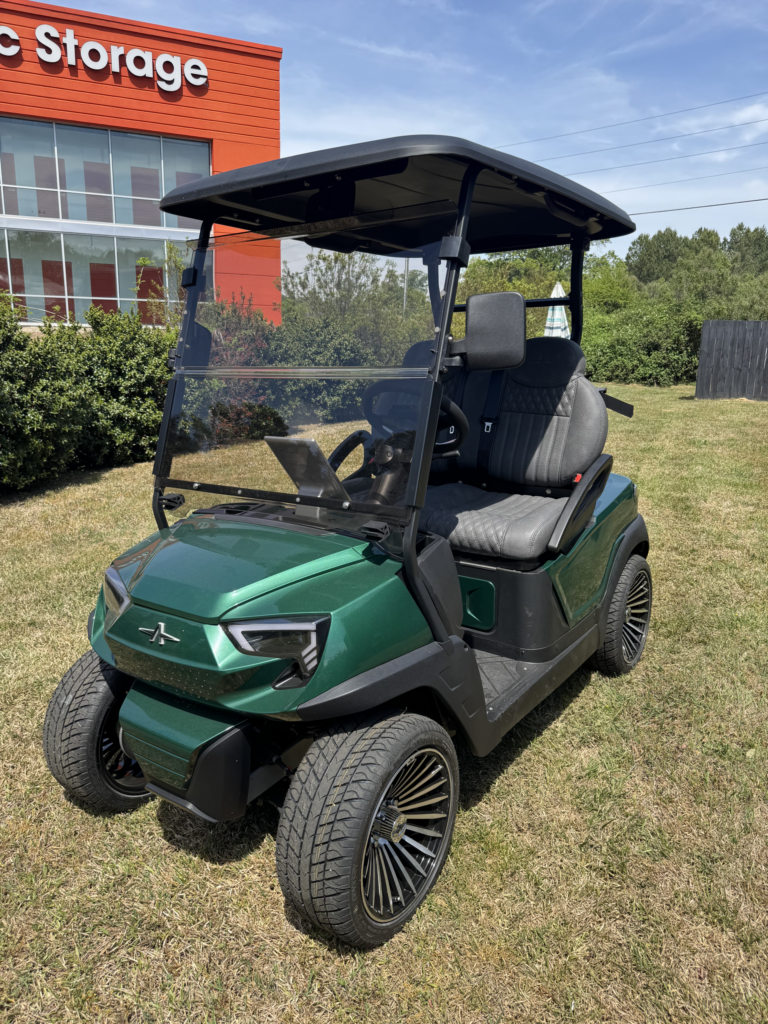
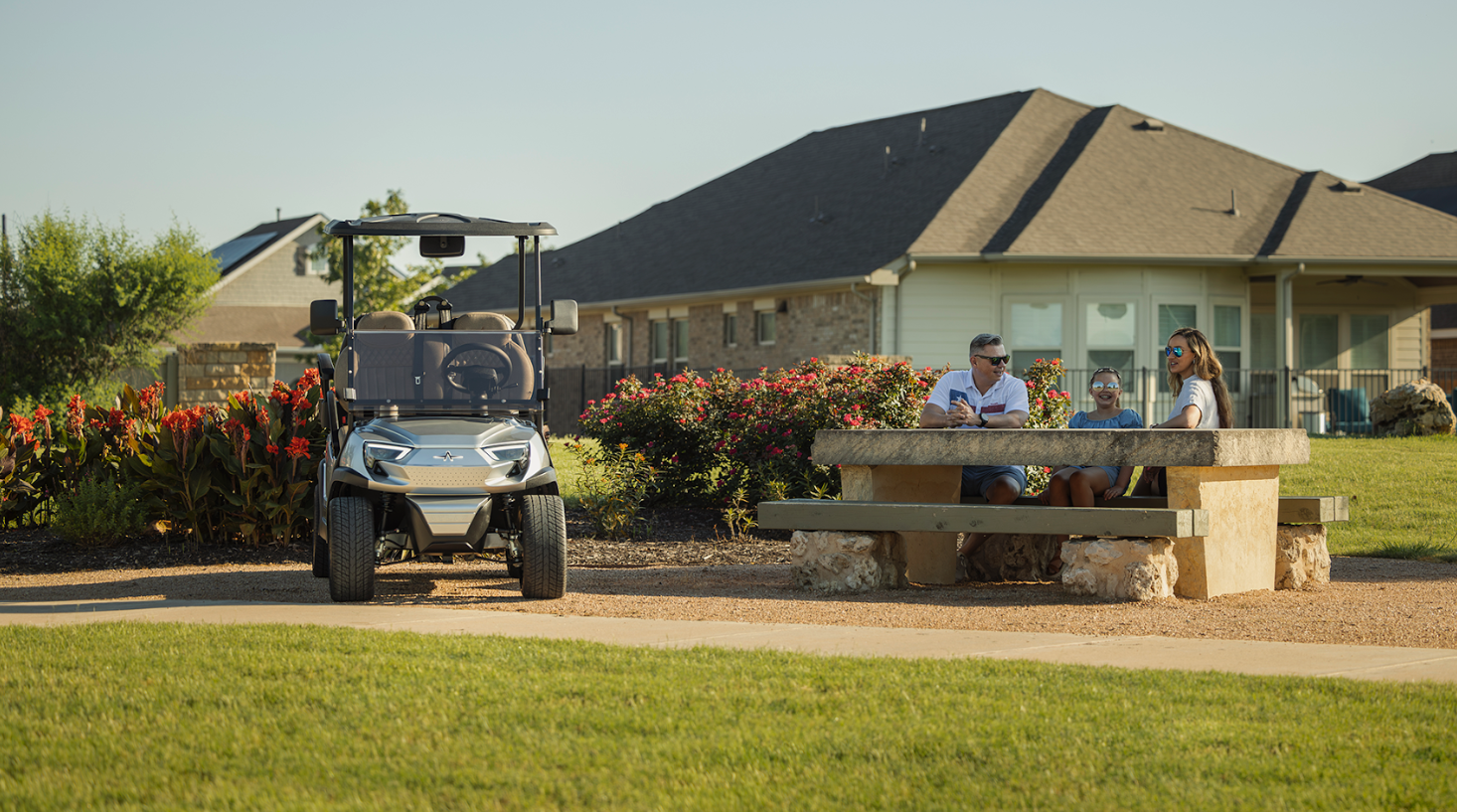
A neighborhood ready golf cart is typically a standard golf cart equipped for use in communities or towns that allow golf cart operation through local ordinances.
These carts are commonly used in:
- Planned neighborhoods
- Coastal communities
- Campgrounds
- Private developments
- Residential communities
- Smaller local roads
In North Carolina, cities and towns may create their own golf cart ordinances that allow golf carts to operate on certain public streets.
However, these carts are still generally considered traditional golf carts, not fully street legal vehicles.
That means the rules can vary significantly depending on the municipality.
Some towns may allow golf carts only during daylight hours, while others may require local permits, inspections, proof of insurance, or additional safety equipment.
Because local ordinances control many of these rules, there is no single statewide definition of a “neighborhood ready” or “neighborhood legal” golf cart.
Before purchasing a golf cart for neighborhood driving, it is important to verify the exact regulations in your local area.
What Is a Street Legal Golf Cart?
Most fully street legal golf carts are classified as Low-Speed Vehicles (LSVs) under federal and North Carolina regulations.
Unlike traditional golf carts, LSVs are federally regulated vehicles designed for public road use within certain speed limits.
In North Carolina, street legal LSVs are generally allowed on roads with posted speed limits of 35 mph or lower. They may also legally cross roads with higher speed limits at intersections.
Street legal golf carts are ideal for:
- Daily neighborhood transportation
- Driving between local businesses
- Larger planned communities
- Beach towns
- Residential areas with public road access
- Drivers wanting broader road access
Many customers prefer street legal golf carts because they provide more flexibility compared to standard neighborhood-ready golf carts.
Customers exploring different options can also browse available new golf carts, used golf carts, and fully custom golf cart builds depending on their driving needs and local requirements.
Required Equipment for Street Legal Golf Carts
One of the biggest differences between neighborhood ready carts and fully street legal LSVs is the required safety equipment.
To qualify as a street legal Low-Speed Vehicle in North Carolina, the cart may need equipment such as:
- Headlights
- Tail lights
- Brake lights
- Turn signals
- Reflectors
- Windshield
- Windshield wipers
- Rearview mirrors
- Horn
- Parking brake
- Seat belts
- Speedometer
- DOT-approved tires
- Vehicle Identification Number (VIN)
Street legal LSVs must also be titled, registered, and insured similarly to other motor vehicles.
Many newer carts already include several of these features, while others may require additional upgrades or conversion packages.
At J’s Golf Carts, customers often ask about adding street legal equipment packages depending on where they plan to drive.
Additional Federal LSV Safety Requirements
Many buyers understand the basics of street legal equipment like headlights, turn signals, and seat belts, but newer federal regulations added additional requirements that some customers may not realize apply to Low-Speed Vehicles.
Under federal safety standards for LSVs, newer street legal vehicles may also require:
Rear Visibility Systems
Low-Speed Vehicles manufactured after 2018 must comply with federal rear visibility requirements under FMVSS No. 111.
This means qualifying vehicles are required to include a rearview camera system that displays a rear image while the vehicle is in reverse.
Pedestrian Warning Systems
Electric vehicles manufactured after 2020 may also require an audible pedestrian warning system under FMVSS No. 141.
These systems are designed to help alert nearby pedestrians when an electric vehicle is operating at lower speeds.
Because federal and local regulations can evolve over time, it is always important to confirm that your golf cart or Low-Speed Vehicle meets current requirements before operating on public roads.
Holly Springs Golf Cart Rules
Holly Springs has its own local golf cart ordinance that allows properly registered golf carts to operate on certain public streets.
According to the Town of Holly Springs:
- Drivers must be at least 18 years old
- Drivers must have a valid driver’s license
- Golf carts may only operate on streets with speed limits of 25 mph or less
- Golf carts may not exceed 20 mph
- Carts must be registered with the Holly Springs Police Department
- Proof of insurance is required
- Annual inspections are required
Holly Springs also requires safety equipment including:
- Headlights
- Taillights and brake lights
- Turn signals
- Reflectors
- Mirrors
- Parking brake
- Seat belts
- Windshield
Because local rules can change, drivers should always verify current requirements directly with their municipality before operating on public roads.
Street Legal vs. Neighborhood Ready: What’s the Real Difference?
The simplest way to understand the difference is this:
Neighborhood Ready Golf Cart
- Operates under local town ordinances
- Rules vary by municipality
- May have driving restrictions
- Usually limited to lower-speed local roads
- May not require full DMV registration
Street Legal Golf Cart (LSV)
- Federally regulated
- Fully registered and insured
- Meets federal safety requirements
- Can operate on roads up to 35 mph
- Offers broader legal road access
Many buyers assume adding headlights automatically makes a golf cart street legal, but that is not true in most cases.
A true street legal LSV requires much more than basic lighting upgrades.
Can You Drive a Golf Cart at Night?
This depends heavily on the type of cart and your local regulations.
Fully street legal LSVs with proper lighting systems are generally allowed to operate at night if they meet all legal requirements.
Neighborhood ready golf carts may have additional restrictions depending on local ordinances.
Some towns only allow golf cart operation during daylight hours, even if headlights are installed.
This is one reason many customers choose fully street legal carts when they want maximum flexibility.
Registration and Insurance Requirements
Another major difference involves registration and insurance.
Street Legal LSVs
Street legal Low-Speed Vehicles generally require:
- North Carolina registration
- Insurance coverage
- License plate
- VIN documentation
- Title paperwork
Neighborhood Ready Golf Carts
Neighborhood-use golf carts may not always require state registration, but local towns may still require:
- Local permits
- Proof of insurance
- Safety inspections
- Annual renewals
Requirements vary depending on the municipality.
Customers looking for long-term ownership solutions can also explore available golf cart financing options to help make upgrading to a street legal model more affordable.
Common Buyer Mistakes
One of the biggest mistakes buyers make is assuming all North Carolina towns follow the same golf cart rules.
In reality, every municipality may handle golf cart regulations differently.
Another common mistake is assuming a golf cart becomes street legal simply because it has headlights or turn signals installed.
Street legal status generally requires federal LSV compliance, registration, insurance, and additional safety equipment.
Buyers should also consider future use. A cart that works perfectly in one neighborhood may not meet requirements if you move or travel to another town.
Understanding these details before purchasing can save significant time and frustration later.
Which Option Is Right for You?
The best choice depends on how and where you plan to use your golf cart.
A Neighborhood Ready Golf Cart May Be Right If:
- You only drive inside your community
- Your town has a golf cart ordinance
- You mainly use the cart for short trips
- You want a simpler setup
A Street Legal LSV May Be Better If:
- You want broader road access
- You plan to drive on public streets regularly
- You want fewer driving limitations
- You need nighttime driving capability
- You want maximum flexibility long term
At J’s Golf Carts, many customers choose fully equipped street legal carts because they offer greater versatility for everyday driving.
Maintenance and Safety Considerations
Regardless of which type of cart you choose, proper maintenance is important for both performance and safety.
Routine maintenance may include:
- Battery inspections
- Brake testing
- Tire checks
- Lighting inspections
- Electrical system maintenance
- Steering and suspension inspections
Regular golf cart service and repair can help ensure your cart remains reliable and compliant with local requirements over time.
J’s Golf Carts also offers pickup and delivery services for customers looking for convenient long-term maintenance support.
Final Thoughts
Understanding the difference between street legal and neighborhood ready golf carts is extremely important before making a purchase in North Carolina.
While neighborhood ready carts may work perfectly for certain communities, fully street legal Low-Speed Vehicles offer broader road access, additional safety features, and fewer limitations in many situations.
The right option ultimately depends on where you plan to drive, your local town ordinances, and how often you intend to use your cart on public roads.
At J’s Golf Carts, we help customers understand local golf cart regulations, compare available models, and choose the right setup for their lifestyle and driving needs.
Whether you are looking for a fully street legal golf cart, a neighborhood cruiser, or a customized build, our team is here to help you explore inventory, financing options, service support, and customization opportunities.