
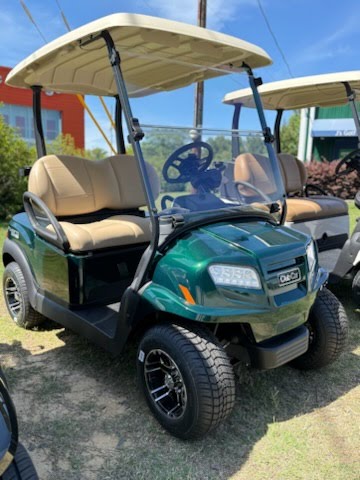
How Much Does It Really Cost to Own a Golf Cart Each Year?
Buying a golf cart involves more than the initial purchase price.
Whether you plan to use your cart for neighborhood transportation, recreational driving, campground trips, community events, or everyday travel around your property, there are several ongoing expenses that can affect the true cost of ownership.
Fortunately, golf carts can be relatively affordable vehicles to operate, especially when properly maintained.
However, annual costs can vary significantly depending on whether you own a gas or electric cart, how often you drive, the type of batteries your cart uses, insurance requirements, maintenance needs, and the age of the vehicle.
Some years may involve little more than charging, routine maintenance, and basic upkeep. Other years may include larger expenses such as battery replacement, tires, or other repairs.
This guide breaks down the most common golf cart ownership costs so you can better understand what to budget for each year.
What Expenses Come With Owning a Golf Cart?
Golf cart ownership costs generally fall into several categories.
Common expenses may include:
Electricity or gasoline
Routine maintenance
Battery maintenance and replacement
Tires
Insurance
Registration or local permits when applicable
Repairs
Accessories and upgrades
Storage or transportation
Not every owner will experience all of these costs every year.
For example, a newer lithium-powered golf cart may require relatively little routine maintenance, while an older lead-acid or gas-powered cart may require more frequent service.
How often you drive also makes a major difference.
Someone using a golf cart occasionally around private property will generally spend less than someone driving several miles through their neighborhood almost every day.
How Much Does It Cost to Charge an Electric Golf Cart?
Electric golf carts are generally inexpensive to charge at home.
Depending on battery capacity, charger efficiency, and local electricity rates, a full charge commonly costs approximately $0.50 to $1.50.
That means electricity itself may represent a relatively small portion of the annual ownership cost.
For example, an owner who fully charges a cart twice per week at an average cost of $1 per charge would spend roughly $104 per year on electricity.
Someone driving more frequently and charging four times per week at the same rate would spend approximately $208 annually.
Actual charging costs can vary depending on:
Battery capacity
Lead-acid versus lithium batteries
Electricity rates
Driving frequency
Distance traveled
Terrain
Passenger load
Charger efficiency
Owners who only use their cart occasionally may spend considerably less.
Electric carts are one reason many neighborhood drivers appreciate the convenience of plugging in at home rather than regularly purchasing gasoline.
Customers interested in comparing electric models can browse J’s Golf Carts’ new golf cart inventory to explore available configurations.
How Much Does Gas Cost for a Gas Golf Cart Each Year?
Gas-powered golf carts have a different operating cost.
Instead of charging the cart at home, owners need to budget for gasoline.
Annual fuel costs depend heavily on how often the cart is driven, local fuel prices, terrain, passenger load, and the efficiency of the specific model.
An occasionally used gas golf cart may consume relatively little fuel throughout the year.
A cart driven regularly around a large neighborhood, campground, commercial property, or recreational area may use several hundred dollars of gasoline annually.
Gas carts also require engine-related maintenance that electric carts do not, including items such as:
Engine oil
Oil filters
Air filters
Spark plugs
Fuel filters
Belts
Other engine components
Gas carts can still be a practical option, especially for buyers who prefer quick refueling or regularly travel longer distances without easy access to charging.
The important thing is recognizing that fuel and engine maintenance should be included when estimating annual ownership expenses.
Golf Cart Maintenance Costs
Routine maintenance is one of the most important expenses to budget for.
Many golf cart owners may spend approximately $200 to $500 per year on routine maintenance depending on the cart, its condition, and how frequently it is used.
Some years may cost considerably less, while older carts or heavily used carts may require additional service.
Regular maintenance may involve:
Battery inspections
Tire pressure checks
Brake inspections
Steering inspections
Suspension checks
Alignment
Electrical system inspections
Battery terminal cleaning
Gas engine maintenance
Multi-point inspections
J’s Golf Carts currently offers preventative golf cart service for both gas and electric models.
Keeping up with routine maintenance can help identify worn components early and reduce the chance that smaller problems develop into larger repairs.
Battery Replacement Is One of the Biggest Long-Term Costs
For electric golf carts, battery replacement is one of the most significant long-term ownership expenses.
However, it is important to remember that batteries are not typically replaced every year.
Lead-acid battery packs may cost approximately $700 to $1,800 or more depending on the cart, battery brand, voltage, and configuration.
Lithium batteries generally have a higher initial replacement cost and may cost approximately $1,500 to $4,500 or more depending on battery capacity, brand, charger requirements, and installation.
Lithium batteries also generally offer longer cycle life and require less routine maintenance than traditional flooded lead-acid batteries.
Because batteries last for multiple years, it can be helpful to think of battery replacement as a long-term ownership expense rather than an annual bill.
For example, setting aside a small amount each year toward future battery replacement can make the eventual expense easier to manage.
Proper battery maintenance can also help maximize battery life.
Owners can learn more about charging habits, cleaning, storage, and water levels in our Golf Cart Battery Maintenance Guide.
How Much Should You Budget for Tires?
Golf cart tires are another wear item that usually does not require replacement every year.
How long tires last depends on:
Driving frequency
Road surfaces
Tire pressure
Alignment
Driving habits
Cart weight
Lift kits
Tire type
Neighborhood carts driven primarily on smooth pavement may experience different tire wear than carts used on gravel, grass, trails, or uneven recreational properties.
Larger aftermarket wheels and all-terrain tires may also cost more to replace than standard golf cart tires.
Regularly checking tire pressure and alignment can help reduce uneven wear and potentially extend tire life.
When purchasing a used cart, tire condition should also be considered because a cart that immediately needs four new tires carries a higher true purchase cost.
Buyers comparing pre-owned models can browse J’s Golf Carts’ used golf cart inventory to see available options.
Does a Golf Cart Need Insurance?
Insurance is another potential annual ownership expense, but the amount varies significantly.
Some basic golf cart insurance policies may begin around $75 per year, while broader coverage or policies for registered low-speed vehicles can cost considerably more.
Factors affecting insurance costs may include:
Vehicle value
Where the cart is driven
Driver history
Coverage limits
Collision and comprehensive coverage
Street use
Modifications and accessories
Not every golf cart is used the same way, and insurance requirements can differ based on vehicle classification and where the cart is operated.
A cart used only on private property is different from a registered low-speed vehicle regularly operated on public roads.
North Carolina owners planning to drive beyond private property should review applicable state and local requirements before assuming their cart can legally operate on the road.
Our guide to North Carolina golf cart street rules explains several of the differences between neighborhood-ready carts and street-legal vehicles.
Registration, Permits, and Local Requirements
Depending on where and how a golf cart is operated, owners may also encounter registration, title, inspection, or local permit expenses.
These costs vary significantly by vehicle classification and location.
Some communities and municipalities allow certain golf carts under specific local ordinances, while registered low-speed vehicles are subject to different requirements.
Because regulations can change from one area to another, these expenses should be researched based on where you actually plan to drive.
This is especially important for buyers purchasing a cart specifically for neighborhood or public-road transportation.
Repairs and Unexpected Expenses
Even with regular maintenance, golf carts occasionally need repairs.
Common repairs can involve:
Brakes
Steering
Suspension
Solenoids
Chargers
Electrical wiring
Controllers
Motors
Gas engine components
A newer, properly maintained golf cart may go long periods without requiring significant repairs.
An older cart may require more frequent attention as components wear.
For this reason, keeping a small maintenance and repair fund can help prevent an unexpected problem from becoming a major financial inconvenience.
The condition of the cart at the time of purchase often has a significant impact on future ownership costs.
A lower-priced used cart may not necessarily be the least expensive option long-term if it immediately needs batteries, tires, brakes, or electrical work.
Accessories and Customization Are Optional Ownership Costs
Not every golf cart expense is necessary.
Many owners choose to personalize their carts with upgrades such as:
Custom seats
Wheels and tires
Lift kits
Audio systems
Additional lighting
Storage accessories
Rear seats
Windshields
Mirrors
Phone chargers
These upgrades can improve comfort, appearance, functionality, and convenience, but they should be considered separately from basic operating expenses.
A completely stock golf cart can remain relatively inexpensive to own, while a heavily customized cart may involve considerably more spending over time.
The amount spent on customization ultimately depends on the owner’s preferences rather than the basic requirements of operating the cart.
So, How Much Does a Golf Cart Cost to Own Each Year?
There is no single annual number that applies to every golf cart owner.
For an electric golf cart in good condition, a relatively routine year may involve:
Approximately $50–$250 in electricity depending on use
Routine maintenance
Occasional wear items
Insurance when applicable
Savings toward future battery replacement
Many owners may spend only several hundred dollars during a normal year when no major components need replacement.
Gas-powered carts may have higher regular operating expenses because owners need to purchase gasoline and maintain engine-related components.
Some years can also be significantly more expensive.
Battery replacement, major repairs, tires, accessories, or other unexpected expenses can push annual costs well above a typical maintenance year.
The best way to budget is to separate regular annual expenses from long-term replacement expenses.
How to Keep Golf Cart Ownership Costs Lower
Good maintenance habits can help control long-term ownership costs.
Owners can help protect their investment by:
Keeping batteries properly charged
Maintaining correct tire pressure
Checking battery water levels when applicable
Cleaning corrosion from terminals
Scheduling routine inspections
Addressing unusual noises early
Checking brakes and steering regularly
Avoiding excessive overloading
Following manufacturer maintenance recommendations
Properly storing the cart during extended periods of non-use
Preventative maintenance cannot eliminate every repair, but identifying problems early can often prevent additional damage and larger expenses.
Final Thoughts on the Annual Cost of Golf Cart Ownership
Golf carts can be relatively affordable vehicles to own and operate, but buyers should look beyond the initial purchase price.
Electricity or gasoline, routine maintenance, batteries, tires, insurance, repairs, and optional upgrades all contribute to the true cost of ownership.
Electric carts typically have very low charging costs, while gas carts require ongoing fuel and engine maintenance. Battery replacement can represent one of the largest long-term expenses for electric models, but it usually occurs over a period of years rather than annually.
Understanding these expenses before purchasing can help you choose a cart that fits both your lifestyle and your budget.
At J’s Golf Carts, we help customers compare new and used models, understand different battery and powertrain options, and find the right golf cart for their needs.
Whether you are shopping for your first golf cart or planning for the long-term costs of ownership, our team is here to help you make an informed decision.